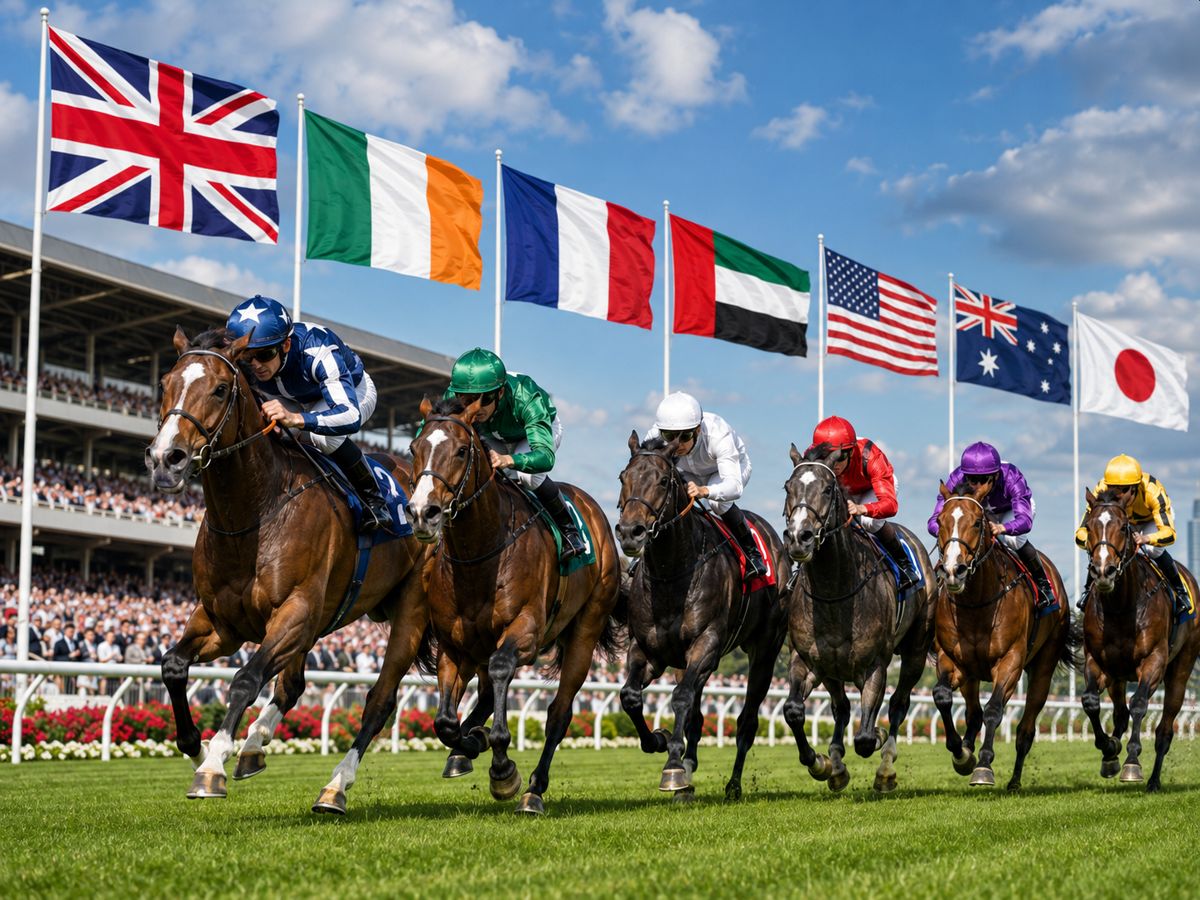
The Fascinating World of British Horse Racing: Events That Didn’t Happen
British horse racing is a time-honored tradition, steeped in history and celebrated for its thrilling events and prestigious festivals. However, not all anticipated races come to fruition. In this article, we will explore various instances when British horse racing events did not take place, examining the implications for the racing community and enthusiasts alike. Additionally, we’ll touch upon British horse racing not on GamStop horse racing sites not on GamStop that cater to those looking to engage with the sport outside of regulatory limitations. Let’s dive into the exciting, and sometimes disappointing, world of British horse racing!

A Brief Overview of British Horse Racing
Horse racing in Britain dates back to ancient times and has evolved significantly over the centuries. The sport is cherished for its competitive nature, the beauty of the horses, and the thrilling atmosphere that surrounds race days. Major events like the Grand National, Royal Ascot, and the Epsom Derby attract millions of spectators and generate substantial economic activity.
However, even the most celebrated events can be impacted by various factors. Weather conditions, financial crises, political issues, and even global pandemics can all lead to the cancellation or alteration of horse racing events.
Historical Cancellations and Notable Absences
Throughout history, several significant British horse racing events have been canceled for various reasons. One of the most notable examples is the impact of World Wars I and II on racing schedules. During both wars, many events were suspended, with tracks often repurposed for military use. The economic strain and social upheaval caused by the wars meant many racing fixtures were not held, affecting not just the sportsmen and women involved but the entire racing community.
The Grand National, for instance, is one of the premier events in the horse racing calendar. However, it has not always proceeded as planned. The race was canceled in 1915, 1916, 1917, 1918, 1941, 1942, and 1943, representing a significant gap in its storied history. These cancellations left a palpable void in the racing calendar and among fans.
The Impact of Weather on Racing Events
Weather conditions play a crucial role in the scheduling and execution of horse racing events. Heavy rain, strong winds, and frost can render tracks unsafe for both horses and jockeys. For instance, in the winter months, many tracks experience issues with freezing temperatures that can lead to canceled events.
In March 2018, a spell of severe weather dubbed the «Beast from the East» caused widespread disruption across the UK. Several high-profile racing events were canceled due to safety concerns related to the freezing conditions. Cancelling events to safeguard the participants, while disappointing for fans, is necessary to ensure the health and safety of all involved.
Financial Factors and their Impact on Racing
The financial landscape of racing can be tumultuous. Financial crises can lead to a reduction in the number of races held, as organizations become more risk-averse. For instance, the economic downturn in 2008 saw several racing venues struggling financially, which put many events at risk. While it did not lead to widespread cancellations, smaller events often suffered reduced funding, leading to fewer races being held or even canceled altogether.
Furthermore, the introduction of regulatory frameworks and challenges posed by online gambling platforms have also influenced traditional horse racing events. Some racing venues have pivoted to adapt, leading to uncertain futures for some events.
Global Pandemics and Their Consequences
The COVID-19 pandemic had a profound effect on the world, and British horse racing was no exception. In March 2020, the UK government imposed strict restrictions to curb the spread of the virus; all horse racing was suspended. This unprecedented cancellation not only impacted the racing calendar but disrupted livelihoods for those involved in the sport, from trainers and jockeys to stable staff and bookmakers.
The racing season was halted for more than 70 days, and many key events were either canceled or altered to adhere to health protocols. The return of racing in June was a relief, but it fundamentally changed the way events were conducted, with many held behind closed doors and turned into virtual experiences instead of the lively, attended affairs they once were.
Looking Forward: The Future of British Horse Racing
Despite the challenges faced by British horse racing over the years, the community remains resilient. Organizations are continually seeking innovative approaches to engage fans and ensure the sport’s survival. The rise of online betting and interactive platforms, including those horse racing sites not on GamStop, provides alternatives for fans and participants during uncertain times.
Moreover, increasing awareness and advocacy for the welfare of horses, coupled with advancements in technology, aim to ensure that British horse racing can continue thriving. The sport has shown remarkable adaptability, with recent years witnessing new partnerships, sponsorships, and an increasing push towards making the sport more inclusive to a diverse audience.

Conclusion
While there have been numerous instances when British horse racing events did not occur or were significantly altered, the integrity and passion of the sport continue to shine through. From historical cancellations due to wars to the contemporary challenges posed by financial factors and pandemics, the resilience of the racing community persists. British horse racing remains not only a beloved pastime but also a vital tapestry intricately woven into the country’s culture. As we look to the future, the sector’s ability to adapt and innovate will ensure its continued relevance and popularity for generations to come.